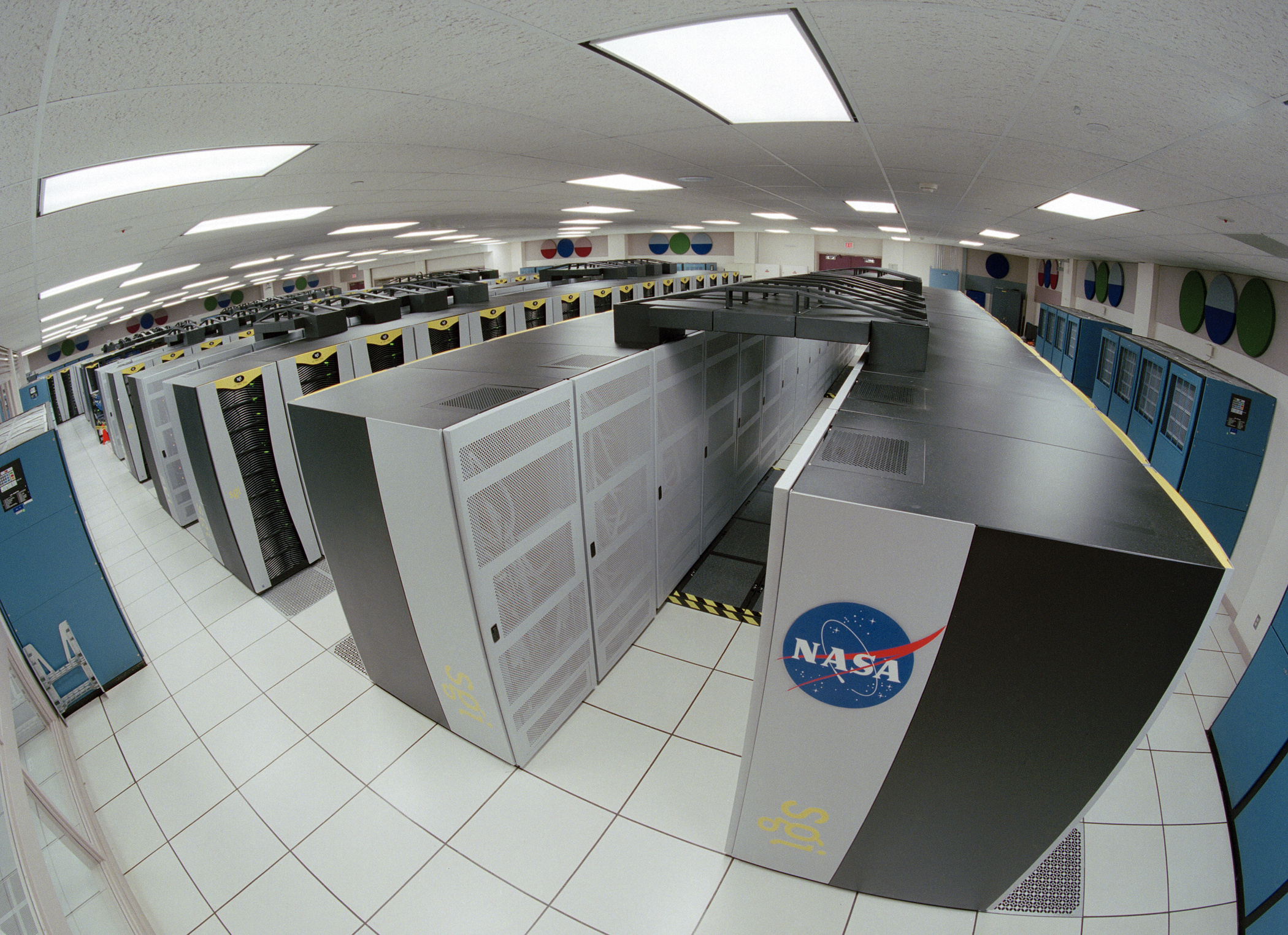
Definition 0.1. Any automaton 𝒞 which is capable of either executing a set of logical
instructions 𝕀 (that is called a program, ℙ) or whose operation is defined either by an
algorithm/ set of algorithms 𝒜 or a Recursive Function ℱR is called a computer.
0.1 Remarks
Occasionally, and incompletely, a computer is simply being defined as “a machine that manipulates
data according to a list of instructions.”. First of all, implicit in the latter description is the
concept of sequential machine or automaton that has a precise mathematical definition, and is
not simply just any ‘machine’. Secondly, the vague term of “list of instructions” needs
actually be replaced by a “set of logical instructions”, which is precisely defined, for
example by algorithms or recursive functions as in the top definition of the computer
term.
Notably, and contrary to widespread misconceptions in old-age philosophy ( e.g. Descartes, John
von Neumann, etc.), AI and the computer community, complex, living systems and the human
brain cannot be adequately described or represented by any computer, computer model, or
classical automaton; this is, in essence, because the latter cannot be adequately modelled by
any recursive function, finitary algorithm or (computer) program. Furthermore, any
computer can be encoded with a categorical commutative diagram. On the other hand,
most organisms– that possess variable topology and varying transition functions δv
(viz. entry on automata)– may only be encoded by the unique limit of a sequence of
non-commutative categorical diagrams which is not necessarily finite, and that cannot be
recursively computed.
References