|
|
|
Main Menu
|
|
Sections
Meta
Talkback
Downloads
Information
|
|
|
|
|
|
point division and position vectors
|
(Topic)
|
|
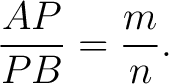
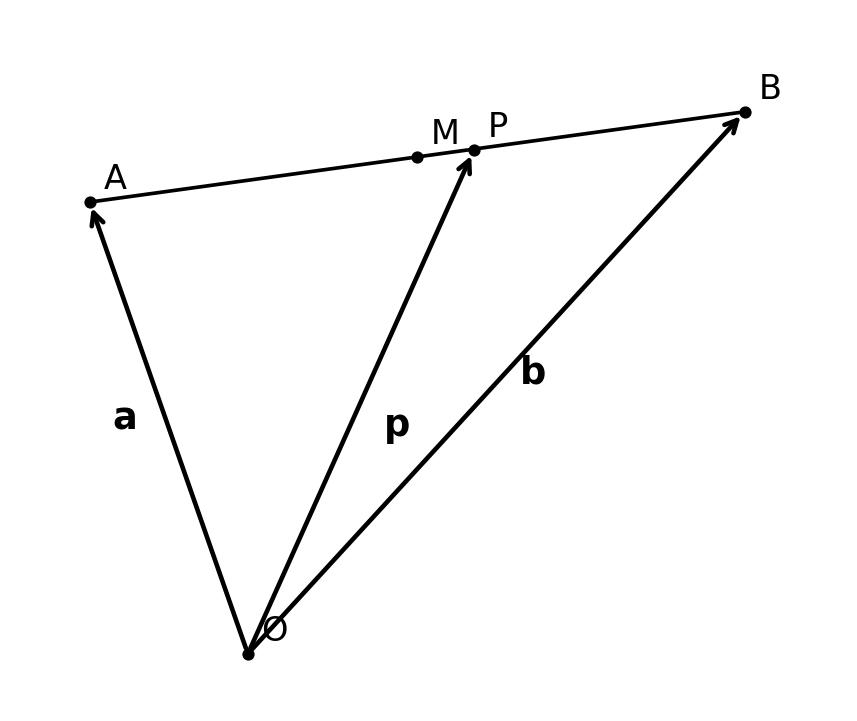
Let  divide the directed segment divide the directed segment  internally in the ratio internally in the ratio  , meaning
With position vectors , meaning
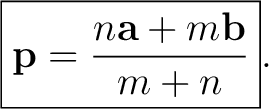
With position vectors
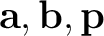 , the modern section formula is
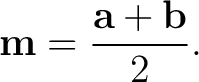
The midpoint is the special case , the modern section formula is
The midpoint is the special case
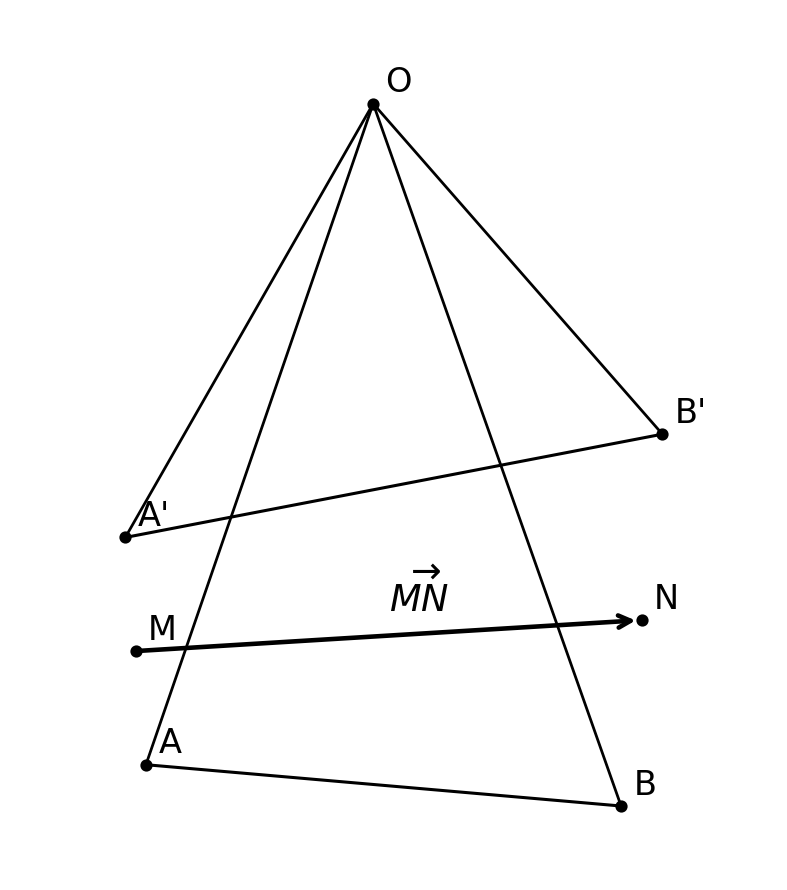
Figure 7a, modernized: point division and position vectors.
If  and and  are the midpoints of are the midpoints of  and and  , then , then
Figure 7b, modernized: midpoint theorem for two directed segments.
If
with nonzero coefficients, then the points 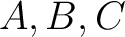 are collinear. Similarly, if four position vectors satisfy a nontrivial relation whose coefficients sum to zero, the four points are coplanar.
For points are collinear. Similarly, if four position vectors satisfy a nontrivial relation whose coefficients sum to zero, the four points are coplanar.
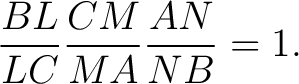
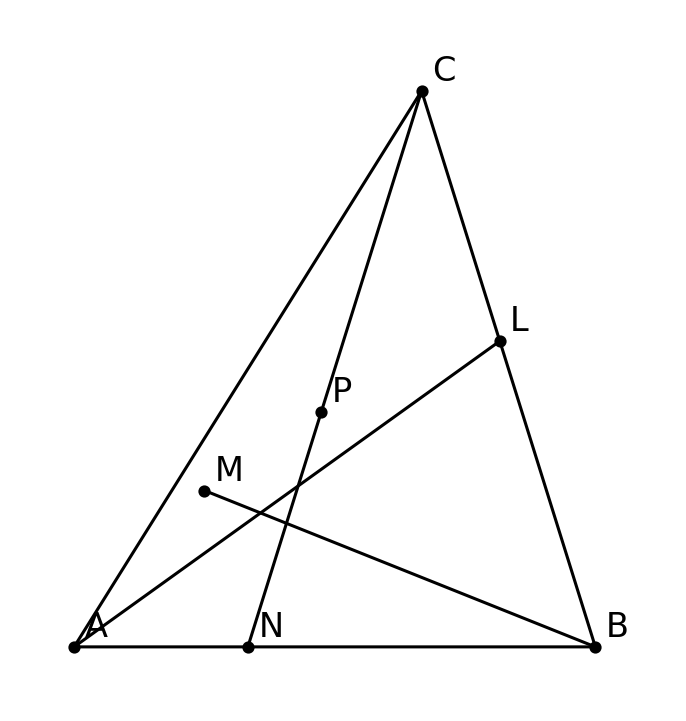
For points 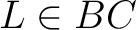 , , 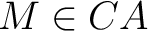 , and , and 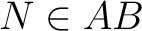 , the cevians , the cevians  , ,  , and , and  are concurrent precisely when the directed division ratios satisfy
Brand derives this efficiently by expressing the intersection point as an affine combination of the vertex position vectors. are concurrent precisely when the directed division ratios satisfy
Brand derives this efficiently by expressing the intersection point as an affine combination of the vertex position vectors.
Figure 7c, modernized: concurrent cevians used in the vector proof of Ceva's theorem.
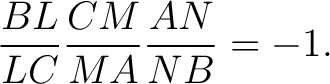
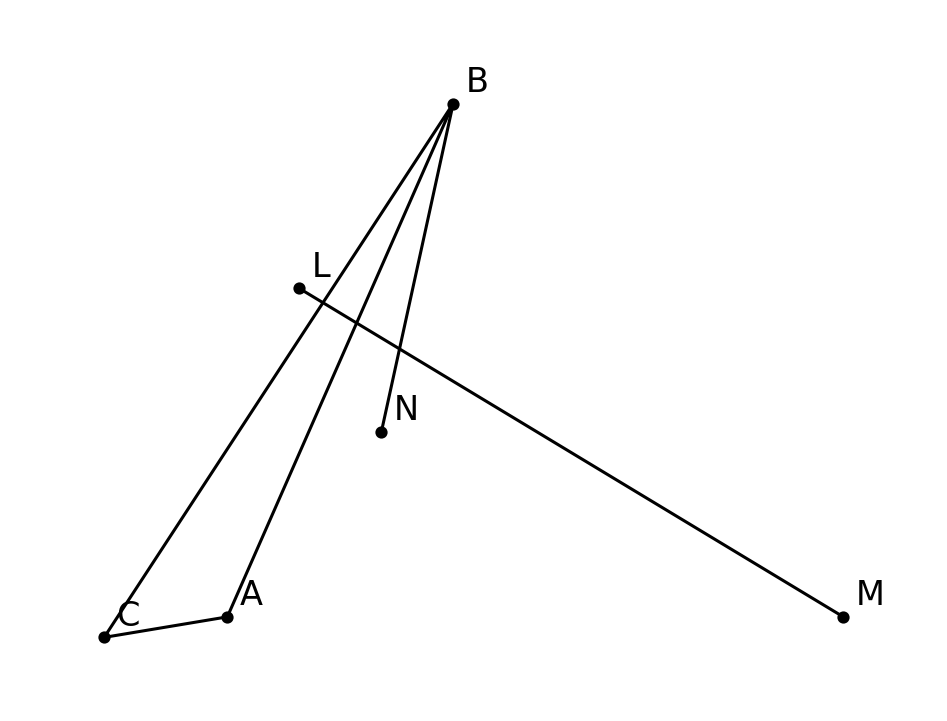
For a transversal meeting the extended sides of triangle  at at 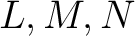 , the directed ratios obey , the directed ratios obey
Figure 7d, modernized: transversal geometry used in Menelaus's theorem.
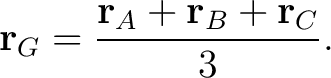
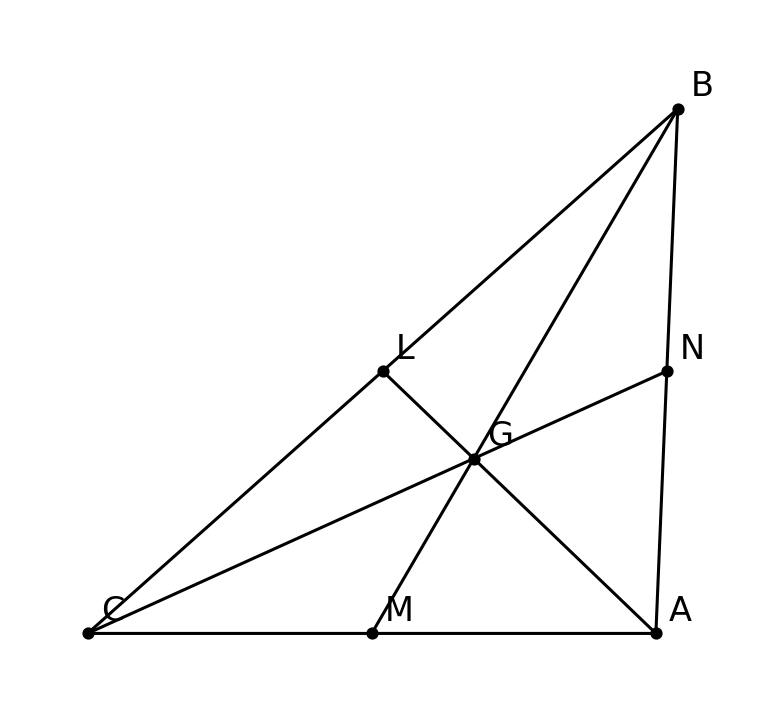
The medians of a triangle are concurrent at the centroid  , and
Each median is divided by , and
Each median is divided by  in the ratio in the ratio  measured from the vertex. measured from the vertex.
Figure 7e, modernized: medians and centroid of a triangle.
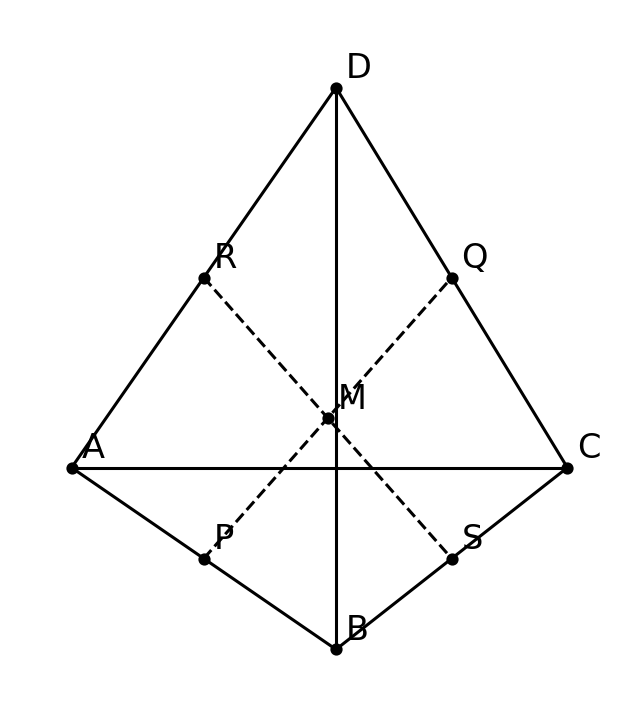
For a tetrahedron, the segments joining the midpoints of opposite edges meet at their common midpoint.
Figure 7f, modernized: midpoint geometry in a tetrahedron.
- If
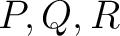 are the midpoints of the sides of triangle are the midpoints of the sides of triangle  , prove for any origin , prove for any origin  that that
- For quadrilateral
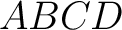 , with , with  the midpoints of the midpoints of 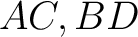 and and  the midpoint of the midpoint of  , prove
and , prove
and
- Prove the
 centroid division theorem for a triangle and centroid division theorem for a triangle and
 . .
- If
 are the centroids of triangles are the centroids of triangles
 , prove , prove
- If
 are midpoints of are midpoints of 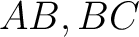 in parallelogram in parallelogram 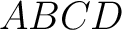 , prove the lines , prove the lines 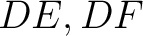 trisect diagonal trisect diagonal  in the manner described by Brand. in the manner described by Brand.
- If
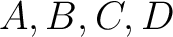 are the midpoints of the successive sides of any space quadrilateral, prove are the midpoints of the successive sides of any space quadrilateral, prove
- Prove the midpoint theorem for opposite edges of a tetrahedron shown in Figure 7f.
- If
 is the centroid of is the centroid of 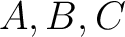 and and  the mean center of the mean center of 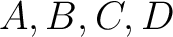 , prove that , prove that  divides divides  in the ratio in the ratio  . .
- Prove Desargues's theorem using affine vector relations: if triangles
 and and 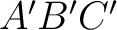 are perspective from a point, then the intersections of corresponding sides are collinear. are perspective from a point, then the intersections of corresponding sides are collinear.
The notation and terminology in this modernized article follow standard present-day mechanics and vector-analysis usage, particularly:
- J. R. Taylor, classical mechanics, University Science Books, 2005.
- D. Kleppner and R. Kolenkow, An Introduction to Mechanics, 2nd ed., Cambridge University Press, 2014.
- H. Goldstein, C. Poole, and J. Safko, Classical Mechanics, 3rd ed., Addison–Wesley, 2002.
This article is a modernized restatement of the corresponding Public domain article in Louis Brand, Vectorial Mechanics, John Wiley & Sons, New York, 1930, Chapter I, “Vector Algebra.” The original 1930 edition is the source basis.
|
"point division and position vectors" is owned by bloftin.(view preamble)
|
|
See Also: scalar multiplication of vectors, vector subtraction and position vectors, negative of a vector, equality of vectors, vector, vector algebra, vector addition, vectors in a plane
| Also defines: |
section formula, vector midpoint, affine dependence, Ceva's theorem, Menelaus's theorem, vector centroid geometry |
Cross-references: domain, classical mechanics, mechanics, vector, relation, theorem, position vectors
This is version 1 of point division and position vectors, born on 2026-08-20.
Object id is 1072, canonical name is PointDivisionAndPositionVectors.
Accessed 10 times total.
Classification:
|
|
|
|
|
|
|
|
Pending Errata and Addenda
|
|
|
|
|
|
|
|
|
|
|